If you’re reading this at 3:14 AM while a tiny human performs a wrestling move on your bladder or refuses to stay in their bassinet, take a breath. You’re likely scrolling through a mental list of "is this normal?" while trying to remember exactly how many ounces they ate. This is where a baby tracker app becomes more than just a tool; it becomes a support system. In the chaotic first year, using the best baby tracking app can help you navigate the mental load of modern parenting with data-driven confidence.
I call this approach Lighthouse Parenting. Instead of using data as a rigid rulebook, we treat your baby’s logs as a lighthouse: a guiding light that helps you spot biological rhythms, identify trends, and find your way back to shore when the fog of sleep deprivation hits.
The Mental Load and the Newborn Tracker
When you bring a newborn home, you’re suddenly the CEO of a startup called Keeping This Human Alive. The volume of details you’re expected to track—medication, feeding, diapers, and naps—is overwhelming. Utilizing a newborn tracker offloads this memory work to your device, allowing you to focus on bonding.
Why 'Instinct' Needs a Backup Plan
Instinct is hard to access when you haven’t slept. Information doesn't replace instinct; it supports it. When you feel like your baby "never sleeps," but your baby sleep tracker shows they logged 14 hours, it bridges the gap between chaotic feelings and biological reality. Experts at Harvard Health Publishing suggest that tracking can help identify patterns that aren't immediately obvious to tired parents.
The Trap of 'Perfect' Metrics
Don't let data become a grade. If you find yourself obsessing over every minute of a nap to the point of anxiety, you’ve moved into data fatigue. The goal isn't to hit a "perfect" average; it's to understand your baby’s specific baseline.
Lighthouse Parenting: Using a Baby Tracking App for Peace of Mind
Lighthouse parenting is about looking for trends over individual data points. A single bad day is just that—a bad day. A three-week trend of decreasing feeding volume, however, is a signal to investigate.
Rhythms Over Rules: Why Trends Matter
By using a baby tracker app, you are building a historical record. When you look at a weekly chart and see that sleep is improving overall—even if last night was rough—you gain the resilience to keep going. This perspective shift is vital for long-term parental well-being.
The 'Shared Brain' Advantage
A parenting app reduces friction between caregivers. When your partner asks, "When was the last feeding?" you don't have to rack your brain. This "shared brain" approach eliminates constant status-update texts and ensures everyone is on the same page regarding the baby routine app schedule. Plus, with enterprise-grade security, your family's data remains private and safe.
Decoding the Big Three with a Baby Health Tracker
To be an empowered parent, you need to understand the Big Three: Feeding, Sleep, and Diapers. These are the primary indicators of your baby’s health.
Feeding: Growth Spurt or Low Supply?
New parents often worry about cluster feeding. If you check your baby feeding tracker app free logs, you’ll likely see this pattern precedes a growth spurt. According to the American Academy of Pediatrics (AAP), these patterns are normal biological signals. The data confirms: This is temporary. This is progress.
Sleep Cycles: Spotting the 50-Minute 'Dip'
Infant sleep is non-linear. The National Institutes of Health (NIH) notes that infant sleep cycles are shorter than adult cycles (about 50 minutes). If your baby always wakes at the 30-minute mark, they might be overtired. Use your baby sleep tracker to identify these transitions and adjust wake windows accordingly.

Output: What Your Diaper Log Is Really Saying
Diapers are the ultimate output data. In the first few weeks, the Mayo Clinic suggests that wet diapers are the most reliable indicator of hydration. Logging these in a feeding and diaper log stops the guessing game and provides peace of mind.
The Percentile Myth: Using a Baby Growth Tracker Effectively
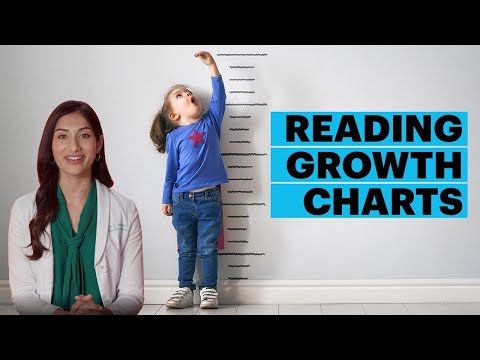
When you enter weight into a baby growth tracker, it shows a percentile. Many parents worry if their baby is in the "10th percentile," but the key is consistency, not the number itself.
Staying in Your Lane
Think of a growth chart like a lane on a highway. Some babies are in the 90th percentile "fast lane," and others are in the 10th percentile "slow lane." As long as they stay in their lane, they are thriving. The CDC growth charts are designed to track this consistency over time.
The Pediatrician 'Power-Hour': Getting Better Medical Results
Most pediatrician visits are brief. When a doctor asks how things are going, a tired brain often defaults to "Fine." Your baby health tracker data is your superpower here, allowing you to provide objective evidence instead of vague recollections.
Scripts for the Exam Room
- Instead of: "I think she has reflux."
- Try: "She’s spitting up after 4 out of 6 feedings, and I've logged 12 instances this week where she arched her back immediately after eating."
- Instead of: "He's not sleeping well."
- Try: "He was sleeping 5-hour stretches, but for the last 4 nights, he's waking every 90 minutes. Here is the log from our baby tracking app."
Combating Burnout: The 'Minimum Viable Tracking' Guide
You do not have to track every second of your baby's life. If the app makes you feel more anxious, it is time for a Minimum Viable Tracking (MVT) day. Focus only on the essentials to protect your mental health.
The MVT Checklist:
- Feeding: Just log the time to ensure frequency.
- Diapers: Only log if concerned about hydration.
- Sleep: Don't track minutes; just enjoy the contact nap.
Frequently Asked Questions (FAQ)
What is the best baby tracking app for newborns?
The best app is one that is intuitive, allows for multiple caregivers, and provides clear data visualization. A good baby tracker app should help you spot trends rather than just store data.
Is tracking every diaper and feeding necessary?
While helpful in the first few weeks to establish breastfeeding and monitor hydration, it is not strictly necessary forever. Many parents transition to "tracking by exception" or MVT once a stable routine is established.
How do I use a baby tracker to help with sleep training?
A baby sleep tracker allows you to see your child's natural sleep-wake patterns. By identifying their natural "sleep pressure" peaks, you can time naps more accurately and avoid overtiredness.
Conclusion: From Overwhelmed to Empowered
Parenthood is inherently unpredictable, but using a baby tracker app can give you a sense of agency. By moving from simple logging to active interpretation, you become an expert on your own child's unique rhythms. Remember, the most important metric isn't found in a chart—it's the bond you are building as you navigate this journey together with confidence and clarity.