You’re sitting in a dimly lit nursery at 3:14 AM. The air smells like lukewarm formula and lavender laundry detergent. Your newborn has been crying for twenty minutes, and you’re cycling through the mental checklist: Hungry? Wet? Gas? Overstimulated? In your sleep-deprived state, you honestly can’t remember if the last feeding was two hours ago or four. This is the newborn fog, where exhaustion drowns out intuition. However, using the best baby tracker app can transform this chaos into clarity. By moving from reactive survival to proactive care, you can build a customized manual for your specific child and finally reclaim your peace of mind.
The Myth of the 'Natural' Routine
There’s a lot of pressure on new parents to "just know" what their baby needs. While instinct is powerful, it’s heavily affected by cortisol and a total lack of REM sleep. Expecting yourself to remember every detail while exhausted isn't just difficult; it's biologically improbable.
Why 'Baby Brain' is a Biological Reality
Research shows that "baby brain"—characterized by forgetfulness and poor concentration—isn't just a punchline. A study published in Nature Neuroscience found that pregnancy and early parenthood involve significant structural changes in the brain’s gray matter. These changes help you bond but don't help you remember the exact volume of a 2:00 PM bottle. Using a baby tracker offloads this cognitive load, letting you focus on bonding rather than bookkeeping.
Data as the Lighthouse in the Fog
When you log a feeding or a sleep session, you’re taking a piece of information and putting it somewhere safe. This immediately lowers your mental load. More importantly, it allows you to see patterns. When you see a graph that shows your baby consistently gets cranky exactly three hours after their first nap, you stop seeing "random crying" and start seeing a "predictable transition." This shift is exactly where your confidence begins.
The Pediatrician Power Move: Maximizing Your 15 Minutes
Most well-baby visits last about 15 minutes. In that tiny window, your pediatrician needs to assess growth, development, and overall health. A baby tracking app allows you to provide precise data rather than "vibes."
The Accuracy Gap: Memory vs. Reality
When a doctor asks, "How is she sleeping?" most parents give a subjective answer: "Better than last week." But specificity is a game-changer. It helps the doctor differentiate between a normal developmental leap and a potential health issue. According to the American Academy of Pediatrics (AAP), precise monitoring of feeding and output is vital in the first few weeks to ensure healthy weight gain.
A Script for Your Next Well-Baby Visit
Don't just hand the doctor your phone. Use your baby tracking app data to lead the conversation:
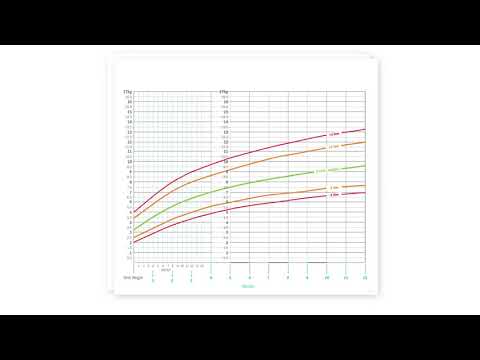
- On Growth: "I’ve been tracking her weight, and she’s following the 40th percentile curve consistently. Do you see any concerns with that trajectory?"
- On Feeding: "He’s taking 28 ounces a day, but he’s been arching his back during the final two ounces. Could this be silent reflux?"
- On Output: "We’ve seen a 30% decrease in wet diapers since starting this medication. Is that an expected side effect?"
Decoding the Sleep Matrix with the Best Baby Tracker App
Sleep is the most debated part of early parenting. While the internet offers generic "wake window" charts, your baby isn't an internet average.
Wake Windows vs. Biological Rhythms
By tracking sleep over two weeks, you’ll likely notice that your baby has unique sleep pressure. Maybe they handle 75 minutes in the morning but three hours in the afternoon. When you track these, you stop fighting the baby to sleep when they aren't tired. You start following the actual biological rhythm of your child, as supported by the National Sleep Foundation guidelines on infant sleep cycles.
Spotting Regressions Before They Break You
The dreaded "four-month sleep regression" rarely happens overnight. Usually, there are subtle shifts: shorter naps or frequent night wakings. When you see these trends appearing in your charts, you can adjust bedtime or calories before the regression fully takes hold.
The Detective Work: Solving Feeding and Health Mysteries
Is it a milk protein allergy or just normal gas? These questions often lead to a Google-spiral. Use data to find the answer.
The Breastfeeding and Bottle Data Loop
For breastfeeding parents, tracking which side you started on helps ensure equal stimulation. If you’re bottle-feeding, tracking volume allows you to see growth spurts coming. For expert guidance on feeding patterns, refer to the Mayo Clinic on Newborn Feeding.
Diaper Logs: The Unsung Heroes of Diagnostics
Stool color and consistency are some of the only ways newborns communicate internal distress. A chronological log lets you see if green stools correlate with changes in the parent's diet or new medications.
Ending the 'Invisible Labor' Wars
One parent often becomes the "Primary Knower," creating a massive mental load. A baby routine app with real-time syncing creates a "shared brain," allowing both parents and caregivers (like nannies or grandparents) to stay on the same page without constant texting.
Milestones: Progress Over Deadlines
Social media makes milestones feel competitive. However, the CDC’s 'Learn the Signs. Act Early.' reminds us that milestones are about populations, not individuals. Focus on your child's trend, not a textbook deadline.
The Privacy Priority
Many "free" apps sell your baby's data. At Baby Tracker App, we prioritize enterprise-grade security because your child's health history isn't a marketing asset.
Frequently Asked Questions
What is the best baby tracking app for newborns?
The best baby tracking app is one that offers real-time syncing, intuitive logging for feeding and sleep, and data privacy. The Baby Tracker App is designed by parents for parents to provide actionable insights rather than just raw data.
How many wet diapers should a newborn have?
Typically, a newborn should have at least 6 to 8 wet diapers every 24 hours. If you notice a significant drop in your logs, it’s a key piece of information to share with your pediatrician.
Are wake windows real?
Yes, wake windows are the periods of time your baby is awake between naps. Tracking them helps prevent overstimulation and makes it easier to put your baby down for sleep before they become overtired.
Conclusion: Reclaiming Your Intuition Through Insights
Data isn't a replacement for your heart; it’s a support system for your head. When you use the best baby tracker app, you stop obsessing over the basics because you know they are covered. This certainty allows you to be more present and simply enjoy the journey.
Ready to turn the fog into a roadmap? Download the Baby Tracker App today and start building your baby's personalized playbook.