It’s 3:14 AM. You’re sitting in a rocking chair, staring at a baby who has been crying for forty minutes—or was it ten? In the thick of sleep deprivation, time is a liquid. You probably can’t remember if the last diaper change was at midnight or if they actually finished that 2:00 AM bottle. This is why thousands of parents rely on a baby tracker app to maintain sanity. But if you’re only logging events so you don’t forget them, you’re missing the most valuable part of the experience. That digital log isn’t just a diary of your exhaustion; it’s a high-resolution map of your baby’s health and development.
The Shift from Data Fatigue to Data Agency
Most parents treat baby tracking like a chore—one more item on a never-ending to-do list. We record the feed with blurry eyes just to check a box. However, tracking feels like a burden only when there’s no clear outcome.
Why We Track (And Why It Feels Like a Burden)
Tracking becomes tedious when you don't know what to look for. The real value isn't the recording; it's the reporting. It’s the ability to see a seven-day trend that explains why your baby is suddenly hitting a wall at 5:00 PM. Usually, it’s not "the witching hour"—it’s cumulative overtiredness that you can see plain as day on a bar chart in your parenting app.
The 3:00 AM Brain vs. The Morning Insight
Sleep deprivation messes with your perception. You might swear your baby has been crying for hours, but the tracker shows it was actually twelve minutes. Conversely, you might think your baby is sleeping through the night, but the data reveals three brief wake-ups you managed to block out. By using a newborn tracker, you offload the cognitive burden. You don't have to remember which side you started on; you just hit 'start.' In the morning, you can look back with a clear head and see the reality of the night.
Decoding the Sleep Log: The Science of the 'Sweet Spot'
Sleep is the primary obsession of new parents. However, how much a baby sleeps is often less important than when they sleep. This is where your baby sleep tracker data becomes a diagnostic tool.
Wake Windows: Adenosine, Cortisol, and Your Log
Rigid schedules often backfire. Sleep is driven by biological sleep pressure (the buildup of adenosine in the brain). If you miss the window where sleep pressure is high but the body is still calm, the baby’s system floods with cortisol and adrenaline. This is the "overtired" state.
According to the Sleep Foundation, understanding these unique biological rhythms is the only way to avoid the overtiredness spiral. By looking at your sleep logs, you can find your baby’s specific "Wake Window." If your 5-month-old consistently melts down at the 2-hour-and-10-minute mark, your data is telling you their sweet spot is exactly 120 minutes.
Visualizing the Overtiredness Spiral
Overtiredness is a physiological trap. The data will prove that "sleep begets sleep." When daytime sleep totals increase, nighttime wakings almost always decrease. Without a log, it’s easy to think, "He didn't sleep much today, so he’ll be exhausted and sleep great tonight!" The data will show you that's almost never true.
Feeding Data: Identifying Nutritional Trends and Health Triggers
Feeding is an area where subjective feelings often cloud the facts. Parents often worry their baby isn't getting enough or are overwhelmed by how often the baby wants to eat.
The Snacking Cycle vs. Full Feedings
Look for the "snacking" pattern in your logs. If your baby is eating for 5 or 10 minutes every hour, they are likely never reaching full satiety. This leads to a cycle of constant hunger and gas. Reviewing the last 48 hours in your feeding and diaper log might reveal that stretching the time between feeds leads to more substantial meals and longer naps.
Identifying Silent Reflux through Data Patterns
This is where data becomes a medical asset.
- Silent Reflux: Does your feeding log show a baby who pulls away from the bottle after 2 ounces, arches their back, and cries? That’s a classic reflux pattern. According to the Mayo Clinic, these symptoms often require professional evaluation.
- Milk Protein Allergy: If you log a sudden change in diaper consistency (look for "mucus-like" descriptors) and it aligns with congestion, you have a data set to show your pediatrician.
Using a Baby Tracker App to Prepare for Pediatrician Visits
Pediatricians are brilliant, but they are often rushed. A standard well-baby visit might only give you 15 minutes. In that window, you need to be efficient.
Why Your Doctor Wants Metrics, Not Feelings
Doctors look for clinical evidence. When you use adjectives like "a lot," you’re giving subjective information. When you show them a chart from your baby health tracker, you’re giving them objective metrics. Research on Patient-Generated Health Data (PGHD) shows that using technology to track these metrics significantly improves clinical outcomes.
The 3-Day Snapshot: A Checklist for Your Next Visit
Before you walk into the exam room, review your app and prepare a 3-day snapshot:
- Feeding Volume: Total ounces or total minutes at the breast per 24 hours.
- Output: Average number of wet vs. dirty diapers.
- Sleep Totals: Total sleep in a 24-hour period (day vs. night).
- Specific Symptoms: "He has spit up 4 times a day for 5 days" is better than "He spits up a lot."
Growth Charts: The Curve Matters More Than the Percentile
Few things cause more parental anxiety than growth percentiles. It is essential to understand that health isn’t a single point on a graph; it’s a curve.
WHO vs. CDC: Choosing the Right Yardstick
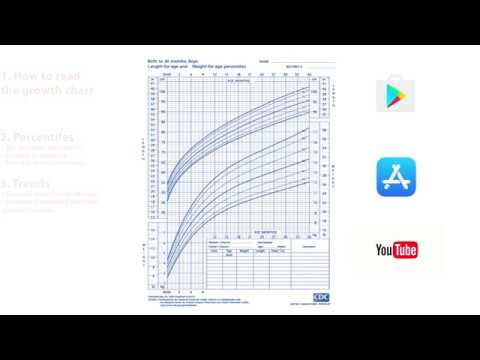
It matters which chart you use. The World Health Organization (WHO) child growth standards are based on breastfed infants and are the gold standard for children aged 0-2. The CDC Growth Charts are often used for older children. Ensure your app uses the WHO standard for your newborn.
Crossing Percentiles: When the Data Signals Action
A baby in the 10th percentile who consistently follows that line is usually perfectly healthy. The real red flag is "crossing percentiles." If a baby was in the 80th and suddenly drops to the 20th, the data signals an issue long before it becomes a crisis. For more details on reading these numbers, consult Healthy Children from the AAP.
The Multi-Caregiver Sync: Eliminating Handover Friction
In a modern home, care is often split between partners or nannies. This is where syncing becomes a sanity-saver.
Silent Communication for the Night Shift
If you and your partner are splitting nights, the last thing you want is a 10-minute briefing at 2:00 AM. With a synced baby care app, the partner taking the shift simply looks at their phone. They know exactly when the last diaper change happened and how much the baby ate. This ensures the baby gets consistent care even when the parents are exhausted.
Frequently Asked Questions
What is the best baby tracking app for newborns?
The best baby tracking app is one that allows for real-time syncing between caregivers, offers visual growth charts based on WHO standards, and provides an intuitive interface that doesn't add to your cognitive load during 3:00 AM feedings.
How long should I track my baby's data?
Most experts suggest tracking closely during the "Newborn Phase" (0-3 months) to monitor weight gain and feeding patterns. Afterward, you can switch to a "Seasons" approach, logging detailed data during transitions like starting solids or sleep regressions.
Is baby tracking data accurate enough for doctors?
Yes. While not a replacement for clinical equipment, the trends captured in a baby routine app—such as total daily intake and sleep duration—provide highly valuable Patient-Generated Health Data that helps pediatricians make more informed diagnostic decisions.
Mindful Logging: Knowing When to Put the Phone Down
There is a fine line between being informed and being anxious. The data should serve you; you should not be a servant to the data. Your baby tracker app is the bridge between your parental intuition and the objective reality of your infant’s development. By using it wisely, you aren't just tracking growth—you’re optimizing it.