It’s 3:14 AM. You’re in the rocking chair, eyes stinging, holding a warm bottle or a hungry baby. With your free hand, you fumbled for your phone, the blue light momentarily blinding you as you tapped the ‘start’ button on a feeding timer. You’ve done this a thousand times using your baby tracker app. You have months of data—thousands of diaper changes, hundreds of hours of sleep, and an exhaustive record of every ounce consumed.
But let’s be honest: What is all this data actually for?
Most of us start tracking because we want a sense of control in a situation that feels inherently chaotic. We want to ensure our baby is thriving. But somewhere along the way, the tool meant to provide peace of mind often starts causing a specific kind of digital-age anxiety. We start worrying about the 'missing log' or the 'off-day' instead of looking at the small human in our arms. The goal of a best baby tracking app isn't just to create a perfect historical archive; it’s to help you identify patterns and communicate with your doctor.
The Tracking Paradox: Shifting from Data Entry to Insight
There’s a psychological shift that happens when we measure things. In economics, they call it Goodhart’s Law: "When a measure becomes a target, it ceases to be a good measure." In parenting, this translates to feeling like a failure because you missed a log. A baby tracking app should be your telescope, not your taskmaster.
The Trap of 'Perfect' Data
Your baby doesn’t care if their 2:00 PM diaper was logged at 2:05 PM or 6:00 PM—or if it was logged at all. The 'perfect' log is a myth. If tracking makes you feel more anxious rather than more informed, you’re missing the macro-perspective. The value is not in the single point, but in the journey.
From Micro-Tracking to Macro-Understanding
The shift happens when you stop looking at the last three hours and start looking at the last three weeks. A high-quality baby tracker is essentially a diagnostic tool. It’s there to help you spot a gradual decline in wet diapers (a potential sign of dehydration) or a sudden spike in night wakings. When you focus on macro-understanding, the pressure to be 'perfect' in the micro-moment evaporates.
The 7-Day Rule: Why Trends Trump Individual Days
If I could give every new parent one piece of advice, it’s this: Never judge your baby’s health or your parenting based on a 24-hour window.
Babies are biological systems, not machines. They have days where they are lethargic and disinterested in food, and days where they seem like bottomless pits. If you look at a single day where your baby only slept 10 hours, you might spiral. But if you look at the 7-day average and see they are hitting 14 hours, you realize Tuesday was just an outlier.
When you open your baby routine app, look for the 'Trends' or 'Averages' view. This is your safe haven. A dip in feeding volume today is often compensated for by a surge tomorrow. By following the 7-day rule, you allow for the natural ebb and flow of human development.
Decoding Feeding Patterns: Cluster Feeding vs. Consistency
Feeding is usually the primary source of parental stress. "Are they getting enough?" is the question that haunts the first six months. Your tracker is the antidote to this fear.
The Reality of Cluster Feeding
You’ll see it on your chart: a day where feeding frequency jumps from every three hours to every 45 minutes. Without a baby feeding tracker app free of charge or a paid version, this feels like a supply crisis. However, when you look at your log, you’ll likely see this pattern repeats around the 3-week, 6-week, and 3-month marks. The Mayo Clinic on Cluster Feeding notes that this is a normal biological mechanism to increase milk supply.
Volume vs. Frequency: Pediatrician Priorities
Parents often worry about 'ounces per bottle,' but pediatricians look at the total 24-hour intake. Generally, infants need about 2 to 2.5 ounces of formula per pound of body weight per day. If your 10-pound baby hits 20–25 ounces over 24 hours, the individual snacks don't matter. For more on nutrition, see the CDC Infant Nutrition and Health guidelines.
The Science of Sleep: Identifying 'Reorganization' Phases
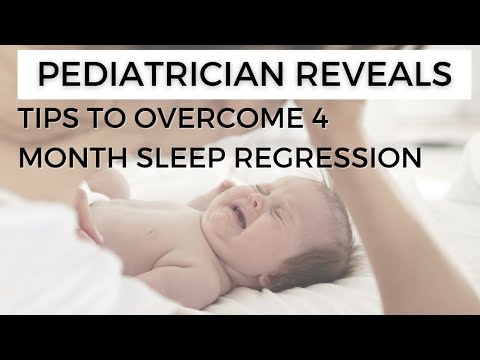
We love to use the word "regression," especially regarding the 4-month mark. But developmental experts prefer the term "reorganization." Around four months, a baby’s brain changes, moving from newborn sleep patterns to adult-like sleep cycles. This is a permanent neurological maturation, not a step backward.
Using Logs to Spot Sleep Windows
One of the most practical uses of a baby sleep tracker is identifying 'Wake Windows.' If you log sleep consistently, you’ll see a pattern: your baby might get fussy exactly 90 minutes after they wake up. By spotting this trend, you can start putting them down before they become overtired. According to the American Academy of Pediatrics (AAP) Sleep Guidelines, consistency is key to developing healthy sleep hygiene.
Growth Percentiles vs. 'Grades': Reading Your Charts Without Panic
Nothing triggers parental comparison like the growth chart. "He’s in the 10th percentile" sounds like a failing grade. It isn't. Percentiles simply compare your baby to a population of 100 others. What matters to your doctor—and what your app helps you monitor—is the curve.
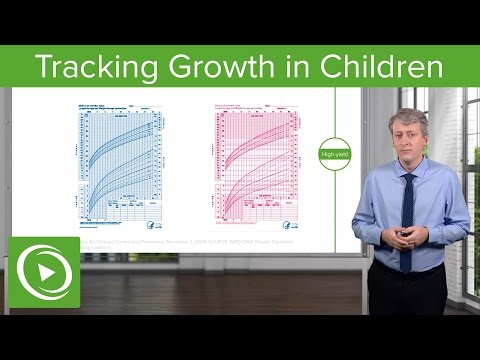
A baby who stays consistently in the 10th percentile is likely healthy. The concern only arises if a baby was in the 80th percentile and suddenly drops to the 10th. This is why tools like the WHO Child Growth Standards focus on longitudinal progress rather than a single snapshot.
The Doctor-Ready Toolkit: Better Pediatrician Visits
Pediatricians often have limited time. If you walk in and say, "I think he’s not eating enough," the doctor has to ask many questions. If you walk in with a summary from your newborn tracker, you provide a clinical roadmap.
The Three-Point Summary Method
Before your next visit, use your data to prepare a three-point summary:
- The Intake Average: "He’s averaging 26 ounces a day over the last week."
- The Output Check: "He’s having 6 heavy wet diapers every 24 hours."
- The Key Shift: "His sleep has shifted from 5-hour stretches to 2-hour stretches over the last 10 days."
This method eliminates the "I don't know" during the 4-month or 6-month checkup, especially when asked about a baby milestone app section for rolling or grabbing.
Red Flags: Using Data to Know When to Call
While most variation is normal, data helps you identify red flags. Refer to the Cleveland Clinic on Newborn Dehydration for serious signs. Call the doctor if:
- The Diaper Drop: A 50% decrease in wet diapers over 24 hours.
- The Fever Trend: A fever that doesn't respond to medication over several logs.
- Persistent Lethargy: A sudden, significant decrease in wake window duration.
The Exit Strategy: When to Stop Tracking
There comes a time when you should stop tracking everything. This usually happens around 6-to-9 months once a solid routine is established. The goal of the baby tracker app was to help you learn your baby's language. Once you can identify their ‘I’m hungry’ cry without looking at a clock, you can scale back and trust your gut.
Frequently Asked Questions
What is the best baby tracking app for new parents?
The best baby tracker app is one that is easy to use during middle-of-the-night feedings and provides clear 7-day trends rather than just raw daily data. Look for features like sync-across-devices and growth curves.
How many wet diapers should a newborn have daily?
Generally, after the first week, a baby should have at least 6 to 8 heavy wet diapers every 24 hours. A sudden drop in this number on your baby health tracker is a signal to consult your pediatrician.
Is the 4-month sleep regression permanent?
It's not a regression; it's a permanent shift in brain development. While the "rocky" sleep phase usually lasts 2-4 weeks, the new adult-like sleep cycles are permanent. Your baby sleep tracker data can help you find new wake windows during this transition.