Picture this: You’re sitting in a small, brightly lit exam room. Your six-month-old is semi-nude on a crinkly paper sheet, and you haven’t slept more than four consecutive hours in weeks. The pediatrician walks in and asks: “So, how’s the feeding going? How many wet diapers is he getting?”
Your mind goes blank. You know he’s eating, but your memory is hazy. This is where a reliable baby tracker app becomes your secret weapon. Instead of offering vague guesses, you can confidently state, “He’s averaged 24 ounces a day for the last week, which is a 15% drop from his baseline.” By closing the information gap, you transition from a worried parent to an effective health advocate.
The Evolution of Parenting: From Scrawled Notes to Digital Intelligence
For generations, the standard advice was to “watch the baby, not the clock.” While this encourages bonding, the reality is that your memory is a lying narrator when you’re sleep-deprived. Today’s digital parenting landscape is about more than just logging; it's about objective intelligence.
Using a baby tracking app creates a clinical "flight recorder" for the first year of life. When everything is going smoothly, the data stays in the background. However, the moment something feels “off”—a sudden rash, a plateau in weight gain, or erratic sleep—that historical record becomes your most potent diagnostic tool. You aren't just presenting a feeling; you're presenting a week of evidence showing a specific deviation from your child’s unique norm.
The Anatomy of a High-Value Log: What Actually Matters to Your Pediatrician?
Not all data is created equal. To get the most out of your baby health tracker, you should focus on the "Big Three" markers that doctors use to assess infant development: output, intake, and sleep patterns.
Hydration and Output: Beyond Just Counting Diapers
In the early weeks, diaper counts are the only way to know if a baby is getting enough milk. The American Academy of Pediatrics (AAP) notes that by day five, infants should have at least six wet diapers and three or more stools daily.
A detailed log allows you to spot trends like uric acid crystals (pinkish stains) or malabsorption issues early on. Instead of reacting to a crisis, you’re monitoring the "why" behind the fussiness before it escalates.
Feeding Patterns: Identifying Volume and Frequency Trends
A baby feeding tracker app free of clutter lets you distinguish between “snacking” and “cluster feeding.” If your data shows your baby consistently pulls away from the bottle after two ounces in the evening, you have actionable info. You can tell your doctor exactly when the discomfort starts, which often leads to faster diagnoses of issues like Cow’s Milk Protein Allergy (CMPA) or silent reflux.
Deciphering the Sleep Code: Moving Beyond "Is My Baby Sleeping?"
Sleep is the most scrutinized data point in a parent's life. However, using a baby sleep tracker isn't just about total hours; it's about mastering the biological rhythms of "sleep pressure."
The Science of Sleep Pressure and Wake Windows
Babies operate on a build-up of adenosine. If you miss the window where sleep pressure is high but the baby isn't yet stressed, you end up with an overtired infant. By tracking 7-day trends, you can identify your baby's unique "wake window."
Experts at the National Sleep Foundation emphasize that responding to these biological cues rather than a rigid clock is the key to establishing a healthy routine.
Growth Curves and Nutrition: Tracking Progress Without the Panic
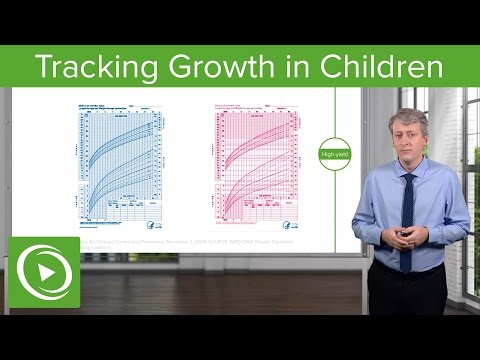
Every check-up involves a growth chart. It’s easy to panic if your baby is in the 15th percentile, but as long as they stay on their own curve, they are thriving. When you track baby growth at home using an app that mirrors World Health Organization (WHO) growth standards, you get a continuous view of that steady climb.
The Pediatrician Bridge: How to Use Data as an Advocacy Tool
Your pediatrician is a highly trained expert, but they only see your child for fifteen minutes every few months. You are the expert on your specific baby. To be an effective advocate, you must speak the language of clinical evidence.
The 'Data-First' Appointment Checklist
Before your next well-visit, open your best baby tracking app and pull these summaries:
- Average Daily Intake: What is the total volume over the last 7 days?
- Diaper Consistency: Has there been any change in frequency or appearance?
- Sleep Totals: What is the average total sleep in a 24-hour period?
- Milestone Markers: Use the CDC Milestone Tracker to check for rolling, cooing, or tracking objects.
Case Study: The 3 AM Reflux Mystery
Consider a parent whose baby gained weight perfectly but was clearly in pain. By using their tracking app to log spit-up frequency and physical discomfort (arching back), they showed the doctor that the baby was spitting up 12 times a day. As the Mayo Clinic explains, weight gain doesn't rule out reflux. The parent's data led to a "silent reflux" diagnosis weeks earlier than typical observation would have.
Caregiver Collaboration: Closing the Communication Loop
Shared data is essential for modern families. Whether it's a partner taking the night shift or a nanny during the day, using a shared baby care app account ensures everyone is on the same page. You can see when the last bottle was without an interrogation, providing peace of mind and consistency for the baby’s routine.
Privacy in the Digital Nursery: Why Your Baby’s Data Isn’t a Product
Many “free” baby milestone apps monetize your family’s habits by selling data to advertisers. At Baby Tracker App, we prioritize enterprise-grade privacy. Your baby’s health data is sensitive medical information. It shouldn't be used to target you with formula ads. Always choose an app that prioritizes security and gives you full ownership of your records.
The Mental Health Check: Avoiding 'Data-Induced Anxiety'
Data is a tool, not a judge. If you find yourself panicking because your baby ate 2 ounces less than yesterday, it’s time to put the phone down. The goal of a baby routine app is to provide clarity, not to create a standard of perfection.
When should you stop tracking? Usually, once a baby is well-established on solids and growth is steady (around 12 months), you can move from active tracking to "observational awareness."
Frequently Asked Questions
What is the best baby tracker app for shared care?
The Baby Tracker App allows multiple caregivers to sync data in real-time, ensuring consistency between parents and nannies.
How many wet diapers should a newborn have?
By day five, a healthy newborn should have at least six wet diapers and three or more stools daily, according to the AAP.
Why track baby wake windows?
Tracking wake windows helps prevent overtiredness by identifying the optimal time to put your baby down for a nap based on their biological sleep pressure.
Conclusion: Turning Tracking Into Parenting Confidence
Parenting is often a game of second-guessing. By using a best baby tracker app, you aren't just logging data; you’re building a foundation of confidence. You’re teaching yourself to see patterns in the chaos. Equip yourself with the right tools, speak the language of the clinic, and move from "I think" to "I know." This is how you ensure your child gets the best possible care from day one.
Ready to track with precision? Download the Baby Tracker App today and join thousands of parents who use our privacy-first tools to monitor their baby’s journey with love.