If you’ve ever found yourself sitting on the floor of a nursery at 3:00 AM, desperately searching for "why won’t my baby sleep," you aren’t alone. You’re part of a massive, exhausted demographic. In those moments, life feels like a blur of caffeine, crying, and checking the clock. But here’s the reality most parenting books gloss over: your baby is actually telling you exactly what they need. They just don’t use words. They use patterns. By using a baby tracker app, you can transform these chaotic moments into actionable insights.
Most parents think of a baby tracker as a digital shoebox—a place to dump information so they can remember when the last diaper change happened. But when we treat data as a collection of isolated events, we miss the bigger picture. The real value of tracking isn’t the logging; it’s the decoding.
We’re entering the era of Precision Parenting. This isn’t about being a helicopter parent or obsessing over every milliliter of milk. It’s about using the tools we have to understand the unique biological rhythm of the tiny human in your care. It’s about replacing the "newborn fog" with a clear, data-backed picture of your child’s health, sleep, and development.
Let’s look at how you can transform your Baby Tracker App from a simple logbook into a powerful diagnostic partner.
The Evolution of Parenting: From Intuition to Precision
For generations, parenting advice was based on two things: what your mother did and what the latest "expert" wrote in a book. The problem? Your mother raised a different child in a different decade, and those experts are writing for the "average" baby.
But the average baby doesn’t exist. There are only individual babies with individual needs.
The Cognitive Cost of Exhaustion
In the first few months, your brain is under siege. Sleep deprivation isn’t just a physical challenge; it’s a cognitive one. Research shows that sleep-deprived parents have impaired memory and decision-making skills, making it nearly impossible to accurately recall patterns. Did the baby sleep three hours last night, or was it four? Was that diaper change at midnight or 2:00 AM?
This "information gap" creates anxiety. When we don’t have the facts, our brains fill in the blanks with worst-case scenarios. Precision Parenting closes that gap. It replaces "I think" with "I know."
What Exactly is Precision Parenting?
Precision Parenting is the practice of tailoring your caregiving based on your child’s specific data trends rather than generic milestones. It means recognizing that while a book says your baby should be on a three-nap schedule, your data shows they consistently thrive on four shorter ones. It’s about having the confidence to trust the numbers you’ve collected over what you read on a random forum.
The Biological Clock: Understanding Infant Circadian Rhythms
One of the most frustrating parts of early parenting is the lack of a schedule. Newborns are notoriously "day-night confused." This isn’t because they’re trying to torture you; it’s because their internal biological clock, or circadian rhythm, isn’t fully developed yet.
The 24-Hour Loop: When the Gears Start Turning
Babies aren’t born with a functioning circadian rhythm. They don’t produce their own melatonin (the sleep hormone) in significant amounts until they are about 9 to 12 weeks old. Before that, they rely on the melatonin they received in utero and what they get through breast milk.
According to the Mayo Clinic, most infants start to develop a more predictable sleep-wake cycle between 3 and 6 months. Tracking this transition is vital. You’ll start to see "clusters" of sleep emerging in your app’s charts. These aren’t random; they are the first gears of the biological clock starting to turn.
Tracking as a Tool for Entrainment
Entrainment is the process of aligning a biological rhythm with external cues, like light and dark. By tracking when your baby is naturally most alert and when they crash, you can strategically use light exposure and activity to "set" their clock. If your personalized sleep insights show a consistent dip in energy at 6:30 PM, that’s your window. If you miss it, you hit the "overtired" zone where cortisol spikes, making sleep nearly impossible. The app tells you where that window is before you miss it.
Identifying the 'Pre-Regression Ripple'
We’ve all heard of the dreaded 4-month sleep regression. It’s often spoken of as a sudden, unavoidable disaster. But if you’re looking at the data, it’s rarely sudden. There is almost always a "Pre-Regression Ripple."
The Architecture of a Sleep Regression
A sleep regression is actually a progression. It’s a sign of massive neurological development. Around four months, a baby’s sleep architecture changes from two stages to four, moving closer to adult-like sleep. This shift is exhausting for their brains.
Early Warning Signs in Your Trends
Before the full-blown "waking up every hour" phase hits, look for these ripples in your baby tracking app:
- Nap Fragmentation: Naps that were consistently 45 minutes suddenly become 22-minute "cat naps." This indicates the baby is struggling to transition between the new sleep cycles.
- Feeding Variance: A baby who took 6 oz every four hours starts taking 3 oz every two hours. They are seeking comfort and extra calories for the brain growth spurt.
- Increased Witching Hour: The period of evening fussiness starts earlier and lasts longer.
When you see these ripples, you can adjust. You might move bedtime up by 15 minutes or increase calories during the day. You’re no longer reacting to a crisis; you’re managing a transition.
The 3-Tier Sustainable Tracking Method
I’ve talked to thousands of parents, and the biggest complaint is "tracking burnout." Logging every single event feels like a second job. To avoid this, use a tiered approach with your best baby tracker app.
Tier 1: The Sprint (High Intensity)
When: The first 2 weeks of life, during illness, or when introducing new solids. What to track: Everything. Feedings (amount/duration), diapers (wet/dirty), sleep, and mood. Why: During these windows, the data is high-stakes. You need to ensure the baby is gaining weight or recovering from a bug.
Tier 2: Maintenance (The Non-Negotiables)
When: 90% of the time. What to track: Personalized sleep insights and the primary feeding method. Why: This gives you enough data to see trends and predict wake windows without making you feel like a data entry clerk. You don't need to log every diaper once the baby is consistently gaining weight.
Tier 3: Survival (The Strategic Pause)
When: When you are sick, traveling, or just plain burnt out. What to track: Medicine doses only. Why: Your mental health is the most important "metric" for your baby’s well-being. If tracking is making you miserable, stop for 48 hours. The world won’t end, and you can jump back in when you have the bandwidth.
Data as a Diagnostic Partner: Spotting Illness Early
This is where precision parenting can change outcomes. Babies are experts at hiding symptoms until they are quite uncomfortable. However, their physiological data changes long before they start coughing or feel warm to the touch. Using a baby health tracker feature can be lifesaving.
The 15% Rule: Shifts in Intake and Output
A 10% to 15% drop in total daily intake over a 48-hour period is often the first sign of an oncoming ear infection or cold. Similarly, if the number of wet diapers drops, it’s an immediate red flag for dehydration. These are things you might not notice in the moment—one slightly smaller bottle doesn't seem like a big deal—but the app’s "Total Daily Volume" chart will make it obvious.
Sleep Fragmentation and the Immune Response
When the body is fighting an infection, sleep architecture changes. You might see an increase in restlessness or shorter sleep cycles. If your baby is suddenly waking up more often but doesn’t seem hungry, check their temperature. Their body might be signaling a fever is on the way. According to the CDC, monitoring these baseline behaviors is key to early intervention.
The Pediatrician Protocol: Turning Logs into Care
Have you ever gone to the doctor and said, "He’s just not eating well," only to have the doctor ask, "How many ounces exactly?" and you blank? It’s a terrible feeling.
Doctors love data. It helps them move past the subjective ("he’s fussy") to the objective ("he’s had a 20% decrease in intake").
What Your Doctor Actually Wants to See
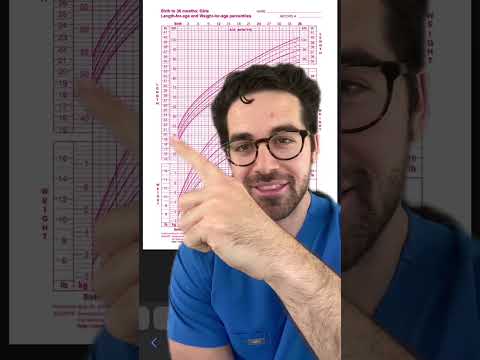
Pediatricians look for deviations from the norm. They use WHO growth charts to ensure the baby is staying on their curve. When you provide them with a week’s worth of accurate feeding and diaper data, you are giving them the pieces of a puzzle they can actually solve.
Preparing Your 'Executive Summary'
Before your next visit, review your baby development app data and write down these three points:
- The Baseline: "Normally, she takes 30 oz and sleeps 14 hours total."
- The Deviation: "In the last 72 hours, she’s taking 22 oz and sleeping 11 hours."
- The Frequency: "She’s having 4 wet diapers instead of her usual 7."
Presenting data this way commands respect. It shows you are an informed observer, which often leads to more thorough investigations and better care.
Beyond the Basics: Tracking Milestones and Cognitive Growth
Precision parenting isn't just about preventing problems; it’s about optimizing growth. There is a fascinating link between sleep and learning. Research published in Nature suggests that infants who nap after learning a new task show much better retention than those who don’t.
The Link Between Sleep and Skill Mastery
Notice a pattern in your baby milestone app: Is your baby’s sleep particularly messy right before they crawl? This is common. The brain is busy re-wiring itself for motor skills. By tracking milestones alongside sleep, you’ll realize that the "bad" sleep isn’t a failure—it’s the sound of a brain working overtime.
Frequently Asked Questions
What is the best baby tracker app for newborn patterns?
The best baby tracker app is one that allows you to easily log feedings, sleep, and diapers while providing visual trends. The Baby Tracker App is designed to help parents move from intuition to precision with simple, powerful charts.
How does a baby sleep tracker help with regressions?
A baby sleep tracker allows you to see the "Pre-Regression Ripple"—small changes in nap length or wake times that signal a developmental shift is coming. This lets you adjust schedules before the full regression hits.
When should I stop tracking my baby's diapers and feedings?
Most parents move from Tier 1 (High Intensity) to Tier 2 (Maintenance) once their baby has reached their birth weight and established a consistent growth curve. You can always return to high-intensity tracking during illness or growth spurts.
Maintaining Your Sanity: The Ethics of Data-Driven Parenting
Data is a tool, not a judge. It’s easy to get caught up in the gamification of parenting—trying to get the "perfect" 12-hour sleep stretch or the "perfect" feeding schedule.
If you find yourself feeling anxious every time a nap is 10 minutes short, or if you’re arguing with your partner because they forgot to log a diaper, take a step back. The data is there to serve you, not the other way around.
Data is the Servant, Not the Master
The most important thing your baby needs isn’t a perfectly optimized schedule; it’s a parent who is present and regulated. Use the Baby Tracker App to take the mental load off your shoulders. Use it to find patterns that give you more sleep and less stress. But at the end of the day, put the phone down and remember that no app can track the way they look when they finally drift off to sleep in your arms.
Precision parenting is about finding the rhythm in the noise. It’s about understanding that every diaper, every bottle, and every nap is a data point in the complex story of your child's first year. Use the tools, trust the trends, and give yourself the grace to be human.