It's 3:14 AM. You're standing in a dimly lit nursery, rocking a baby who’s screaming for reasons that feel like a state secret. You’ve checked the diaper, ruled out a hair tourniquet, and tried the 'football hold.' In this fog of sleep deprivation, you’re playing a high-stakes game of 'What Does My Baby Need?'
Most parents have been there. For decades, we relied on a mix of intuition and old wives' tales. But today, we have something more precise: a high-quality baby tracker. When you use a professional baby tracker app, you aren’t just keeping a log of ounces or diapers. You’re building a personalized owner’s manual for your specific child.
This isn't about numbers for the sake of numbers. It’s about Precision Parenting. It’s about moving from a state of anxious guessing to a state of informed knowing. By looking at the patterns hidden in your daily logs, you can predict the 'witching hour,' identify the early signs of a growth spurt, and walk into your pediatrician’s office with evidence that leads to faster, more accurate care.
The Evolution of 'Knowing' Your Baby through a Baby Tracker
There’s a massive difference between recalling what happened yesterday and analyzing what happened over the last two weeks. Humans are notoriously bad at remembering specifics under stress. When a doctor asks, "How many wet diapers has he had in the last 24 hours?" our brains often provide an estimate colored by exhaustion.
Using a baby health tracker removes that cognitive load. It allows you to stop being the 'recorder' and start being the 'observer.' This shift is vital because it lets you see the forest for the trees. You might think your baby is having a 'bad sleep week,' but the data might show they’re actually consolidating their naps—a huge developmental win that you would have missed if you were only focused on the midnight wake-ups.
The 'Signal vs. Noise' Framework
One of the biggest hurdles for new parents is data fatigue. If you try to track every single sneeze and hiccup, you’ll burn out. To make the best baby tracking app experience work for you, you need to differentiate between 'signals' and 'noise.'
Why Tracking Every Minute Can Backfire
If you find yourself opening the app every ten minutes, you’re likely increasing your anxiety. Tracking should serve you. The goal is to identify trends. For example, knowing that your baby usually gets fussy exactly 90 minutes after waking up is a high-value signal.
Focusing on the Big Three: Feeding, Sleep, and Hydration
Stick to these three pillars, and you’ll have 90% of the information you need. These are the primary indicators of growth and neurological development. When these three are in sync, life is manageable.
Decoding Feeding Patterns: Efficiency Over Volume
Feeding is the first thing every parent tracks. Whether you’re using a baby feeding tracker app free or a premium version, the goal is ensuring adequate nutrition. But the numbers tell a deeper story.
The Mystery of Cluster Feeding
Every new parent hits a point where the baby wants to eat every 45 minutes for six hours straight. Look at your charts; you’ll often see that this behavior follows a specific pattern. According to the American Academy of Pediatrics (AAP), this is a normal way for babies to 'order' more milk for the coming days.
Breastfeeding vs. Bottle-Feeding Data Points
For breastfeeding parents, an app helps you ensure you’re alternating sides correctly, which is vital for maintaining supply. For bottle-fed babies, the data can help you spot 'overfeeding'—a common cause of reflux that can often be fixed just by adjusting the volume based on the patterns you see in the log.
Sleep Science: Predicting the 'Brain Upgrade'
Sleep is the holy grail of parenting. We talk about it, dream about it, and obsess over it. But infant sleep is not linear; it moves in waves.
Identifying the 4-Month Regression Before It Hits
Around the four-month mark, a baby’s sleep architecture changes fundamentally. They move from 'newborn sleep' to 'adult-like sleep' with distinct stages. By using a baby sleep tracker, you can see this shift coming. You might notice naps are getting shorter or that it’s taking longer for the baby to fall asleep in the evening.
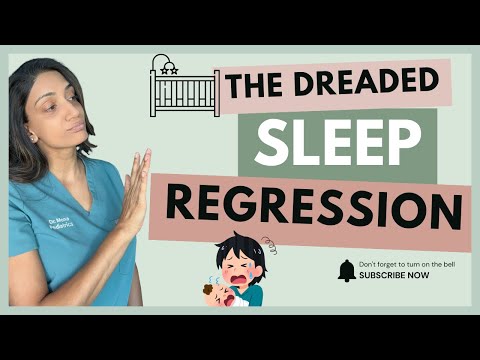
The Sleep Foundation notes that understanding these cycles can significantly reduce parental stress. When you see these micro-changes in the data, you can adjust your routine—perhaps by lengthening wake windows—before the full-blown 'sleep crisis' arrives.
Wake Windows vs. Rigid Schedules
Data-driven parents often find a middle ground: the 'Wake Window.' Instead of forcing a nap at 1:00 PM, you look at your app and see that your baby consistently gets grumpy 2 hours and 15 minutes after their last nap. This is the ultimate 'life hack' for a more predictable day.
The Growth Spurt Predictor
You can often predict a growth spurt 48 hours before it happens. Babies almost always engage in 'caloric loading.' When you track baby growth through both intake and physical measurements, you’ll start to see these correlations.
By checking the CDC Growth Charts integrated into your app, you can see if your baby is staying on their own personal curve. Remember, it’s not about being in the 90th percentile; it’s about staying consistent on the curve they started on.
The Pediatrician Power-Play: Data as a Medical Tool
This is where your tracker becomes a legitimate medical asset. Most pediatrician visits are short. In that time, you have to relay weeks of health history accurately.
Moving from Anecdotes to Evidence
Compare these two statements to a doctor:
- "I feel like she’s been spitting up a lot."
- "Over the last five days, her total intake dropped from 28oz to 19oz, and she is spitting up within 10 minutes of every feeding. Here is the chart."

The second statement provides 'hard data' that removes the subjectivity of parental worry. This is especially helpful for diagnosing 'silent reflux' or milk protein allergies.
Scripting Your Next Well-Visit
When you sit down with the doctor, open your baby milestone app and show them the growth chart. Say, "Doctor, I’ve been tracking her sleep and feeding. I noticed a 20% drop in sleep duration over the last week. Is this a developmental milestone, or should we look into ear infections?"
Diapers and Hydration: Your Baby’s Dashboard
In the first few months, diapers are the most accurate way to tell if your baby is getting enough to eat. According to the Mayo Clinic, a newborn should have at least six to eight heavy wet diapers in a 24-hour period.
If you’re tracking this, you can catch dehydration long before it becomes an emergency. Cleveland Clinic emphasizes that lethargy and fewer wet diapers are red flags that require immediate attention.
High-Value Tracking: Knowing When to Quit
As your baby moves from newborn to toddler, your tracking needs will change. This is how you avoid long-term data fatigue.
- Months 0-6: High-intensity tracking (feeding, sleep, diapers).
- Months 6-12: Transition to High-Value Tracking. Focus on new foods, sleep transitions, and major milestones.
- Toddlerhood: Log height, weight, and health events (fevers, vaccinations).
You don’t need to be a 'data-slave' for two years. Use the app as a tool that evolves with your child's development.
Security First: Protecting Your Child’s Health History
In the digital age, choosing a newborn tracker isn't just about the interface; it’s about the infrastructure. Many free apps make money by selling aggregated user data. You should look for an app that prioritizes 'Enterprise-Grade Privacy.' Your data should be encrypted and protected. Your baby's health patterns are private medical records—treat them as such.
Frequently Asked Questions
What is the best baby tracker app for new parents?
The best baby tracker app is one that offers an intuitive interface, offline syncing, and comprehensive charts for feeding, sleep, and growth. Our app provides enterprise-grade security to ensure your data remains private.
How many wet diapers should a newborn have?
A healthy newborn should have between 6 to 8 heavy wet diapers every 24 hours. If the count drops below this, consult your pediatrician immediately as it may indicate dehydration.
Can a baby tracking app help with sleep training?
Yes, by using a baby sleep tracker, you can identify your baby's natural wake windows and circadian rhythms. This data allows you to time naps perfectly, reducing cortisol levels and making sleep training much smoother.
Conclusion: Empowerment Through Insight
A baby tracker isn't there to replace your parental intuition. It’s there to support it. Intuition is that gut feeling that something is off; data is the tool that helps you figure out what is off.
When you use the Baby Tracker App, you're joining a community of parents who believe that more information leads to more joy and less stress. As patterns emerge, the chaos of a newborn starts to look like a predictable, manageable routine. You'll sleep better, your doctor visits will be more productive, and you'll have a beautiful record of your baby’s journey. The next time you’re in that nursery at 3:00 AM, don’t just wonder. Look at the data.