It’s 3:14 AM. You’re sitting in a rocking chair, staring at a baby who just woke up for the third time tonight. You have one burning question: When did he last eat? You check your brain, but it’s currently a soup of nursery rhyme lyrics and sheer exhaustion. You can’t remember if that last nursing session was at midnight or 2:00 AM.
This is why we track. But if you’re only using a baby tracker app as a digital tally of wet diapers, you’re sitting on a goldmine of health insights you aren't using. When used with intent, that data becomes a clinical advocacy tool. It’s the difference between telling your pediatrician "I think she’s fussy" and saying "She’s had a 30% increase in spit-ups following afternoon feedings over the last three days."
Let's get past the simple logging and talk about how to actually use this data to optimize your infant's health and your own sanity.
The Data-Informed Parent: Why We Track More Than Just Diapers
Tracking isn't about being obsessed with numbers; it's about externalizing your memory so you can focus on bonding. In the early weeks, data is a safety net for the "zombie fog."
The 'Zombie Fog' and the Memory Gap
Extreme sleep deprivation creates a cognitive state similar to being legally intoxicated. Research in the Journal of Clinical Nursing shows that parental exhaustion significantly impairs short-term memory and decision-making. When you’re this tired, your perception of time is warped. A baby crying for five minutes feels like an hour. A baby who hasn't pooped in 24 hours feels like it’s been a week.
A baby tracker app acts as an external hard drive. It holds the objective truth so you don't have to carry it. It allows you to look at a chart and realize, "Oh, she's actually had eight wet diapers today; she’s perfectly hydrated," instantly lowering your cortisol levels.
From Records to Insights: The Philosophy of Data-Informed Parenting
Strategic tracking is about pattern recognition. We don’t care about one isolated "bad" night of sleep. We care about the trend. Data-informed parenting means using yesterday’s logs to predict today’s needs. If your logs show a consistent "witching hour" at 6:00 PM, you can stop trying to run errands at 5:30 PM. You're no longer reacting to a meltdown; you're planning around it.
The Medical Advocacy Blueprint: Using Data at the Pediatrician’s Office
Pediatric appointments are fast. You usually have about 15 minutes to cover everything. If you walk in with a vague sense of worry, you’ll walk out with vague advice. If you walk in with data, you get a plan.
What Your Pediatrician Actually Wants to See
Doctors don’t need to see every single entry. They need the "Executive Summary." Before you head into the exam room, check your app’s summary charts for these three things:
- Total Daily Volume: For formula-fed babies, have the average daily ounce count ready. For breastfed babies, have the total nursing minutes or number of sessions per 24 hours.
- Output Consistency: Instead of saying "he poops a lot," say "he averages four bowel movements a day, but they’ve become more watery since Monday."
- Sleep Totals: The 24-hour total is more important to a doctor than the number of wake-ups. "She’s getting 14 hours of total sleep" tells them she’s likely meeting her developmental needs.
Spotting Deviations from the Growth Curve
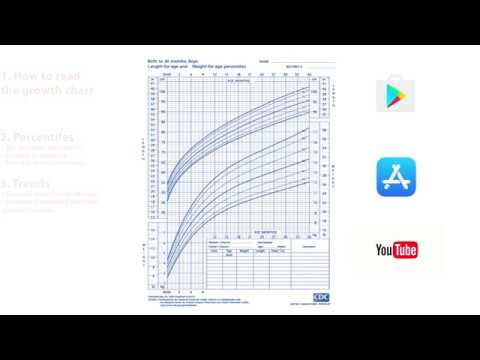
The American Academy of Pediatrics (AAP) focuses on the growth curve—the consistent trajectory of your baby's weight and height. By logging these metrics to track baby growth, you can see if your baby is "falling off their curve." A single slow-gain week isn't a crisis, but a downward trend over three weeks is a signal to discuss milk supply or caloric intake with your doctor immediately.
Decoding Feeding Dynamics: Identifying Allergies and Growth Spurts
Feeding is the most frequent thing you’ll log. It’s also the biggest source of "is this normal?" anxiety.
The Cluster Feeding Marathon
Around three weeks, six weeks, and three months, babies go through massive growth spurts. They’ll suddenly want to eat every 45 minutes. This is often when parents quit breastfeeding, fearing their milk has "dried up."
Your log will show these events as a dense cluster of icons. When you see that pattern, take a breath. It’s not a supply failure; it’s a biological request. Your baby is "ordering" more milk for tomorrow’s growth spurt. Seeing it on the screen makes it feel like a phase rather than a catastrophe.
Tracing Reflux and Food Sensitivities
If your baby is excessively gassy or has eczema, the Mayo Clinic suggests looking for triggers. Use the "Notes" section in your baby care app to link symptoms to feedings. Did the fussiness happen 20 minutes after a bottle? Or only after you had dairy for lunch? This level of detail helps a doctor distinguish between normal newborn gas and a genuine cow's milk protein allergy (CMPA).
The Science of Sleep Logs: Predicting Regressions Before They Hit
Sleep isn't just about luck; it's about biology. Specifically, it’s about cortisol and melatonin.
Finding the Elusive 'Wake Window'
A wake window is the sweet spot between "tired enough to sleep" and "so overtired they can't stop crying." For a newborn, this might be only 60 minutes. For a six-month-old, it might be 2.5 hours.
By using a baby sleep tracker, you can spot the exact moment your baby’s mood shifts. If you see they consistently melt down 90 minutes after waking, you’ve found their window. Start the nap routine at 80 minutes. You’ll find they fall asleep faster and stay asleep longer because they aren't fighting a cortisol spike.
Spotting the 4-Month Sleep Regression
This isn't actually a regression; it’s a permanent maturation of the brain's sleep cycles. The National Sleep Foundation notes that this is when babies start cycling through light and deep sleep like adults. Your app data will warn you: you'll see naps shorten to exactly 30 or 45 minutes. This is your cue to stop rocking the baby to sleep and start teaching them to self-soothe between those cycles.
Eliminating the Mental Load: How Syncing Saves Sanity
The "mental load" is the invisible work of remembering everything. It’s the primary cause of burnout and relationship friction in the first year.
Ending the 'Did He Eat?' Interrogation
When one parent is at work and the other is at home, the constant "Did he nap?" or "Did you give him the Vitamin D drops?" texts are exhausting. With real-time syncing, the data is just there. You can check the app from your desk and see that the baby is currently napping. It allows the at-home parent to focus on the baby rather than playing secretary.
Empowering Grandparents and Nannies
Handoffs are the most stressful part of the day. Instead of a 10-minute briefing or a scribbled piece of paper, your caregiver has the full history on their own phone. They know exactly when the last diaper was changed and what the "pre-nap cues" look like. It creates a seamless environment for the baby, which leads to better behavior and easier transitions.
Milestones and Development: Tracking Beyond the Physical
We track the biological stuff for health, but we track milestones for the memories—and early intervention. Using a baby milestone app ensures you never miss a significant developmental leap.
The CDC Guidelines vs. Your Baby’s Individual Path
The CDC’s Milestone Tracker is the gold standard for what to watch for. However, development is rarely a straight line. One baby might talk early but walk late.
By logging that first social smile or the first time they grabbed a toy, you build a chronological map. If you ever do need to see an early intervention specialist, you won't be guessing. You'll have the exact date they started rolling or sitting up, which helps specialists determine if a delay is a pattern or just a quirk.
The Privacy-First Nursery: Why Data Security Matters
Your baby's data is sensitive. It includes their name, birth date, weight, and even their biological rhythms. This information is valuable to data brokers and advertisers.
Encryption and Your Baby’s Biometrics
When choosing an app, look for enterprise-grade security. This means your data is encrypted (usually AES-256) and not sold to third parties. Avoid "free" apps that make their money by selling your baby’s feeding habits to formula companies. At Baby Tracker App, we believe your child's data is theirs alone. Protecting their digital footprint is as important as putting a gate at the top of the stairs.
The Intuition Check: Knowing When to Put the Phone Down
Data should empower you, not imprison you. If checking the app makes you feel like you’re failing a test, it’s time to scale back.
Avoiding Data-Induced Anxiety
You don't need to track everything forever. Here is a general "sunset" guide for tracking:
- Diapers: Once weight gain is stable (usually around 2-3 months), you can stop logging every wet diaper unless there's a health concern.
- Feeding: Once a routine is established, you might only log feedings if you're trying to identify a new allergy or during a growth spurt.
- Sleep: Keep tracking sleep as long as you're working on a schedule, but feel free to stop once they're sleeping through the night consistently.
Frequently Asked Questions
What is the best baby tracking app for new parents?
The best baby tracking app is one that offers real-time syncing between caregivers, robust data security, and an intuitive interface that doesn't add to your mental load during sleep deprivation.
How long should I track my baby's feedings and diapers?
Most pediatricians recommend tracking closely for the first 2-3 months until birth weight is surpassed and a stable growth curve is established. After that, you can scale back to tracking only during illnesses or regressions.
Can a baby tracker app help identify allergies?
Yes. By using the notes feature to document symptoms like gas, rashes, or fussiness alongside feeding times, parents can help pediatricians identify correlations with specific foods or formula types.
Summary: Using a Baby Tracker App as a Partner in Parenting
Parenting is half intuition and half investigation. A best baby tracker app gives you the evidence you need to trust your instincts. By moving beyond the log and looking for patterns, you can advocate for your child’s health at the doctor, predict their developmental leaps, and share the mental load with your partner.
So, the next time you’re logging a bottle at 3:00 AM, remember: you aren't just recording a meal. You’re building the roadmap that helps your baby—and your family—thrive.