It’s 3:14 AM. You’re sitting in a rocking chair that’s squeaking in rhythm with your baby’s soft nursing sounds. Your eyes are heavy, and your phone screen is the only thing cutting through the darkness. Your partner stumbles into the room, whispering, "When did he last eat? Was it midnight or one?"
In that moment, your brain—already marinating in the fog of postpartum recovery and sleep deprivation—tries to do the math. You remember a diaper change. You think you saw the clock say 12:45. Or was that a dream? This is the reality of the newborn phase. Finding the best baby tracking app isn't just about logging data; it's about reclaiming your cognitive bandwidth during an Olympic-level event of sleep deprivation.
The 3 AM Memory Crisis: Why Your Brain Isn't Enough Right Now
There's a very real biological shift often dismissed as "mom brain," but it isn't about becoming less capable. It’s about cognitive reallocation. Research published in Nature Neuroscience on parental brain remodeling suggests the parental brain undergoes significant remodeling during pregnancy and the postpartum period to prioritize empathy and social cues.
While your brain is getting better at decoding your baby’s cries, it’s often ditching "low-priority" data, like whether the last wet diaper happened at 2:00 PM or 4:00 PM. According to the Mayo Clinic on postpartum care, sleep deprivation significantly impairs executive function and short-term memory. Expecting yourself to maintain a perfect mental log while running on three hours of broken sleep isn't just difficult—it’s scientifically improbable.
The Science of 'Mom Brain' and 'Dad Fog'
The biological reality is that your prefrontal cortex—the part of the brain responsible for complex planning—is under siege. Using a newborn tracker allows you to offload these administrative tasks to a digital brain, letting your biological brain focus on bonding and recovery.
The Invisible Labor: Outsourcing Your Mental Load to a Digital Brain
One of the biggest stressors for modern couples is the "mental load." This is the invisible labor of parenting: the planning, the remembering, and the monitoring. Harvard Health on the mental load of parenting explains that this burden usually falls on one "default parent," leading to resentment and burnout.
Ending the 'Default Parent' Trap
A baby tracker app with multi-user synchronization is a powerful domestic equalizer. When you and your partner all have access to the same real-time dashboard, you eliminate the need for the "Default Parent" to serve as a 24/7 information kiosk. If your partner takes the morning shift, they don't have to wake you to ask about the last bottle; they simply check the log.
The Cost of the Check-In Text
Think about the "check-in" text. You’re out for a quick walk, and you find yourself texting: "Did he nap? For how long?" This means your brain is still tethered to the nursery. With a synced app, a quick glance gives you peace of mind without the friction of a text thread, allowing for true mental restoration.
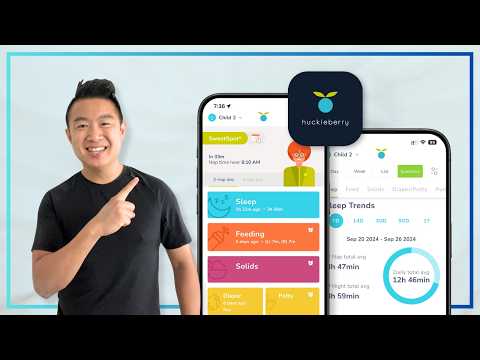
Speaking 'Pediatrician': Turning Logs Into Actionable Medical Insights
Pediatricians love data, but they need it to be concise. When you walk into your two-week or two-month well-child visit, your doctor is looking for specific trends in feeding volume, hydration, and weight gain.
The Vital Signs of a Newborn: Feeding and Hydration
The American Academy of Pediatrics (AAP) on newborn feeding notes that by the time a baby is a week old, you’re looking for 6 to 8 wet diapers in a 24-hour period. Using a baby feeding tracker app free or premium version allows you to provide exact numbers: "She had 22 ounces over 7 feedings yesterday." This specificity transforms you from a worried observer into a collaborative healthcare partner.
Navigating the 2-Week and 2-Month Well-Child Visits
Use your app to generate a 7-day summary before your appointment. Spotting a gradual dip in daily feeding volume or a shift in a baby sleep tracker log before it becomes an emergency allows for proactive care rather than reactive stress.
Data vs. Instinct: The Mindful Tracker’s Philosophy
There is a risk of becoming an "app-sessed" parent. It is easy to stress over a nap that was 12 minutes too short. Our philosophy is simple: Data should empower your instincts, not replace them.
When Tracking Becomes Obsession
Identify signs of app-fatigue. If the data says one thing (the "average") but your baby is smiling and alert, trust the baby. Use your baby routine app to see the big picture—the forest, not the trees. If the data confirms a pattern you've felt, use it to adjust; otherwise, follow your baby's lead.
Security in the Age of AI: Why Privacy is Your Newest Parenting Priority
In 2026, your baby’s data is a valuable commodity. Many free apps sell your data to marketers who target you with invasive ads. Choosing a baby health tracker requires looking for enterprise-grade privacy.
The 'Free' App Trap: What Happens to Your Baby’s Data?
Check for end-to-end encryption and a clear policy that your data belongs to you. Your child’s digital footprint starts with that first diaper log; ensure the app you choose treats that data with the security it deserves.
Beyond the Diaper: Tracking Growth and Milestones
As you exit the survival phase, the app's purpose shifts toward developmental monitoring. This is where a baby milestone app becomes a source of celebration.
Celebrating the 'Firsts' Without the Pressure
The CDC’s Milestone Tracker is an essential resource for catching early signs of progress. Having these integrated into your daily log makes it easier to note when they first made eye contact or pushed up during tummy time without feeling like you're taking a test.
The Exit Strategy: Knowing When to Scale Back
A healthy relationship with technology includes an exit strategy. You shouldn't track every diaper forever.
Phase 1: The Tactical Retreat (6 Months)
By the 6-month mark, routines are often established. You might stop tracking every diaper but continue with a baby growth tracker. If opening the app makes you feel anxious rather than in control, it’s time to scale back to "exception-only" tracking.
Choosing the Best Baby Tracking App: What Actually Matters?
When evaluating the best baby tracking app for your family, look for these four non-negotiables:
- Multi-User Syncing: Real-time updates across all caregivers' devices.
- Intuitive Interface: You must be able to log a feeding with one hand while holding a crying infant.
- Data Portability: The ability to export PDF summaries for your pediatrician.
- Enterprise Privacy: Secure logins and data ownership.
Frequently Asked Questions
What is the best baby tracking app for new parents?
The best app is one that offers seamless multi-user syncing, high-level data privacy, and an intuitive interface that reduces rather than adds to your mental load. It should empower your parental instincts with clear data trends.
How do I track baby feeding and diapers for free?
Many apps offer a baby feeding tracker app free version. Ensure the free version still prioritizes your data privacy and allows for basic logging of feedings and diaper changes before committing to a long-term tool.
When should I stop using a baby tracker?
Most parents begin scaling back around 6 months or once a solid routine is established. It is healthy to stop tracking specific metrics when they no longer provide useful insights or if they begin to cause parental anxiety.
Conclusion: Reclaiming Your Bandwidth
Parenting in the modern age is high-pressure, but the best baby tracking app isn't the one with the most bells and whistles—it’s the one that gives you back your time and peace of mind. By outsourcing the "invisible work" of remembering the details, you free up your mental energy for what actually matters: connecting with your baby. Use the data to empower yourself, then put the phone down and enjoy the human you’re raising.