The Evolution of Parenting in the Digital Age
Modern parenting has undergone a radical transformation. Where previous generations relied on a thin plastic receiver and static-filled audio, today’s parents have access to real-time oxygen saturation, heart rate metrics, and sleep stage analysis. While these tools offer a sense of security, they also introduce a new challenge: the burden of data interpretation. To manage this influx of information, many parents are turning to the best baby tracking app solutions to synthesize hardware data with daily routines.
Why We Track: The Security Paradox
The motivation behind data-driven parenting is simple: the desire for safety and peace of mind. However, constant surveillance can inadvertently lead to heightened anxiety. Experts refer to this as the "Security Paradox," where the very tools meant to soothe our fears actually amplify them by focusing our attention on every minor fluctuation. Understanding the difference between clinical-grade medical equipment and consumer wearables is the first step in regaining control.
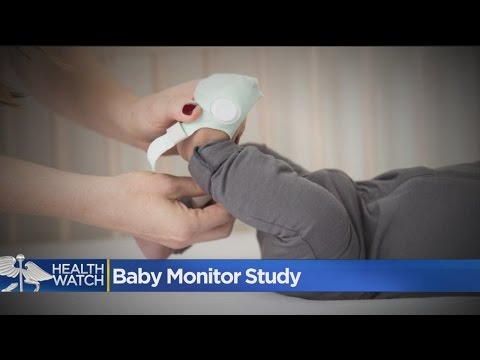
For many families, the key to reducing this anxiety is using a baby tracker app that focuses on holistic trends rather than isolated alerts. By logging feedings, diaper changes, and mood alongside biometric data, parents can see the "big picture" of their child's health.
Deep Dive: Interpreting Biometric Data Successfully
Consumer-grade smart monitors provide a wealth of information, but they lack the clinical context of a hospital setting. For instance, a slight dip in heart rate or a minor fluctuation in oxygen levels can occur during deep sleep cycles or even due to a loose sensor. Professional medical guidance, such as the American Academy of Pediatrics (AAP) Safe Sleep Recommendations, suggests that parents should focus on trends over time rather than individual alerts.
Contextualizing Heart Rate and Oxygen Levels
It is essential to recognize that consumer devices are not medical-grade diagnostic tools. According to research on Sudden Infant Death Syndrome (SIDS) from the Mayo Clinic, environmental safety factors (like a firm sleep surface and no loose bedding) are far more critical than high-tech monitoring.
The Importance of Long-Term Trends
If your monitor shows a consistent pattern of restful sleep, a single outlier is rarely a cause for alarm. The goal is to use data to identify your child's unique baseline. Once you understand what 'normal' looks like for your baby, you can filter out the noise of minor irregularities. This is where a dedicated baby sleep tracker becomes invaluable, allowing you to understanding newborn sleep cycles by correlating sleep quality with daily activities.
The Psychology of Surveillance and Parental Well-being
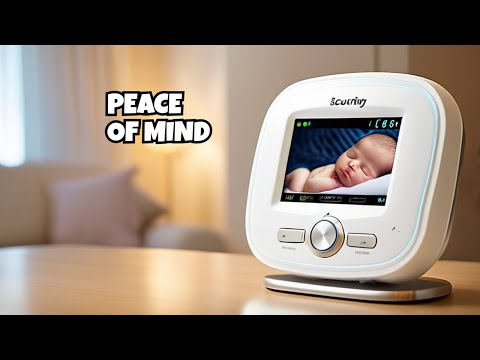
It is vital to recognize the psychological impact of constant monitoring. For many, the ability to check a smartphone screen at any moment creates a 'compulsion loop' that can heighten cortisol levels. If you find yourself checking the app more than twenty times a night, or if an alert triggers a panic attack despite the baby appearing healthy, the tool may be hindering your mental health. Organizations like Postpartum Support International emphasize that parental well-being is just as important as the baby's health.
The Mental Health Check-In
Ask yourself: Is this tool providing me with peace of mind, or is it fueling a need for constant reassurance? If the latter is true, it might be time to leverage parental anxiety resources and re-evaluate your monitoring strategy. Remember, the best baby tracker app is one that helps you feel more connected to your baby, not more tethered to your phone.
How to Implement Your Exit Strategy: When to Unplug
To ensure technology remains a support rather than a crutch, every parent needs an exit strategy. This is a pre-determined plan for when to stop using intensive tracking and start trusting your growing parental intuition.
Defining Your Developmental Milestones
According to the CDC’s guidelines on infant health and development, babies reach several key milestones in the first year that signal a reduced need for constant monitoring:
- The Six-Month Milestone: By six months, many infants have established more regular sleep cycles according to the Sleep Foundation. The risk of SIDS also significantly decreases at this stage.
- The Intuition Test: Start by turning off app alerts during the day and relying on your physical observations. If you feel comfortable, extend this to night-time.
- Gradual Weaning: Move the monitor base further from your bedside. Reducing the immediacy of the data helps recalibrate your internal alarm system.
Frequently Asked Questions
What is the best baby tracking app for new parents?
The best baby tracking app is one that is intuitive, secure, and allows you to track all aspects of your baby's journey—from feeding and sleep to growth milestones. The Baby Tracker App is designed by parents for parents to provide this exact balance of ease and depth.
Are smart baby monitors worth it?
Smart monitors can offer peace of mind, but they should supplement, not replace, safe sleep practices and parental intuition. They are most effective when used to identify long-term trends rather than reacting to every individual alert.
When should I stop using a baby breathing monitor?
Most pediatricians suggest that by the time a baby can roll over independently (usually around 6 months), the need for intensive biometric monitoring decreases. Always consult your healthcare provider for personalized advice.
Your primary tool as a parent is your intuition. Technology should serve to sharpen that intuition, not replace it. By using the best baby tracking app to maintain a healthy perspective, you ensure a supportive environment for both your child and your own peace of mind.